
How to Remove Tough Oil & Grease Stains From Concrete Driveways
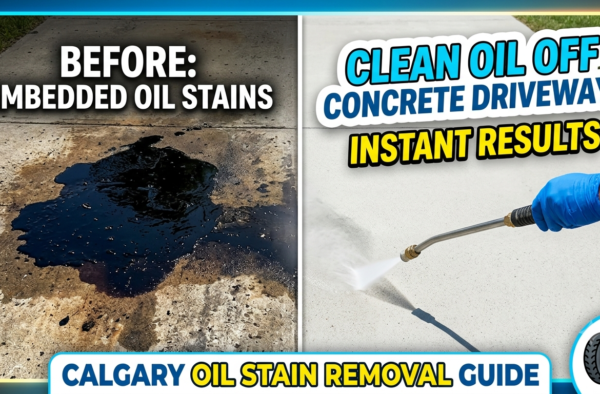
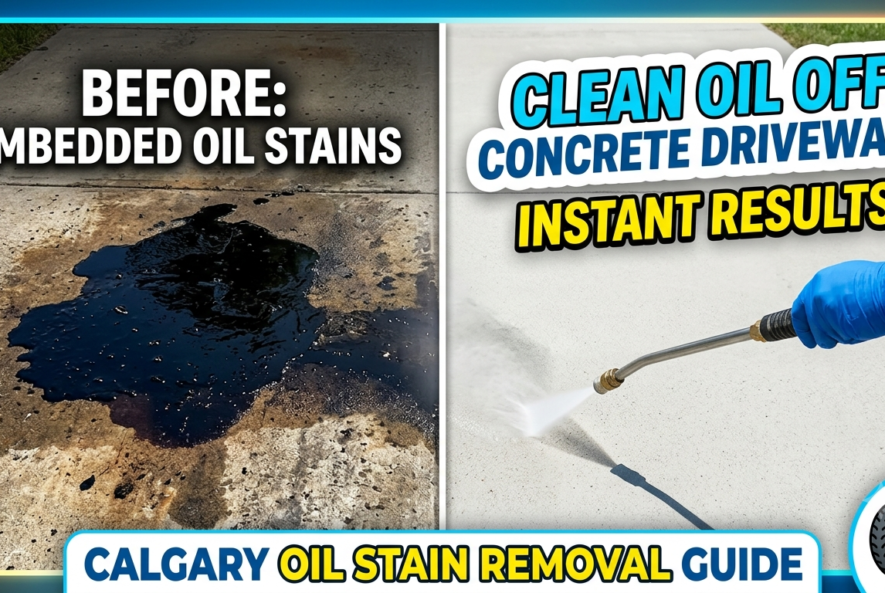
An oil slick on your clean concrete driveway is a frustrating sight. Whether it’s an unexpected leak from a visitor’s car or a drip from an oil change, oil stains do far more than lower your curb appeal. Because concrete is a highly porous material, it draws oil deep into its pores like a hard sponge. Left untreated, those dark spots become stubborn, permanent eyesores.
If you are dealing with stubborn spills and want to know how to clean oil off concrete driveway surfaces effectively, this detailed guide will walk you through proven DIY methods, heavy-duty cleaning tricks, and professional recommendations—including climate-specific tips for homeowner services like oil stain removal in Calgary.
Why Concrete Oil Stains Are So Hard to Clean
To understand how to get rid of oil stains, you first need to understand the material you’re working with.
Concrete looks solid, but it contains millions of microscopic pores and capillaries. When fresh motor oil hits the surface, gravity and capillary action pull the liquid deep down into the slab.
[Fresh Spill] ──> [Absorbed into Pores] ──> [Oxidizes & Hardens] ──> [Deep Stain]
- Fresh Spills: Sit on top of the surface for a short window and are relatively easy to soak up.
- Settled Spills: Penetrate deep into the concrete matrix, requiring chemical emulsification or poultices to lift them out.
- Cold Weather Factors: In places with freeze-thaw cycles like Calgary, oil and moisture trapped inside concrete pores expand during winter freezing, accelerating surface spalling and cracking.
Step 1: Immediate Action for Fresh Spills
If the spill just happened, do not spray it with water immediately. Water repels oil and causes the spill to spread over a larger area, pushing it deeper into the concrete pores.
What to Do:
-
Absorb the Excess Liquid: Generously sprinkle an absorbent material over the puddle. Clay kitty litter, baking soda, cornstarch, or sawdust work well.
-
Press It In: Stomp or press the absorbent onto the spill so it pulls up the wet surface oil.
-
Let It Sit: Leave the material to absorb for 6 to 8 hours (or overnight).
-
Sweep & Dispose: Sweep up the saturated powder and dispose of it responsibly according to local hazardous waste rules.
DIY Methods for Light-to-Moderate Oil Stains
For light, recent marks that have already dried, household items can often do the heavy lifting.
1. Dish Soap and Hot Water
Concentrated liquid dish soap (especially grease-cutting formulas) is formulated to break down hydrocarbon bonds.
-
Apply: Squirt a generous layer of dish soap directly onto the stain.
-
Scrub: Pour a small amount of hot water over it and scrub vigorously using a stiff-bristle nylon brush (avoid metal wire brushes, which can leave tiny rust-causing steel filaments in your concrete).
-
Rinse: Flush the area thoroughly with clean water.
2. Baking Soda & Vinegar Paste
For small, stubborn spots, baking soda acts as a mild abrasive and absorbent, while vinegar breaks down grime.
-
Cover the stain with baking soda and add just enough white vinegar to create a paste that fizzes.
-
Scrub the area with a stiff brush.
-
Let the mixture sit for 30 minutes, then rinse clean with water.
Heavy-Duty Methods for Deep, Old Stains
If home remedies don’t fully do the trick, step up to specialized commercial treatments designed for deep concrete cleaning.
1. Commercial Concrete Degreasers
Commercial degreasers are specialized alkaline solutions designed to penetrate concrete pores and loosen hardened grease.
-
Application: Apply the degreaser undiluted or diluted according to package instructions.
-
Dwell Time: Allow the product to sit (usually 10–20 minutes) without letting it dry out completely.
-
Scrub & Flush: Scrub with a stiff brush and rinse thoroughly.
2. Microbacterial or Enzymatic Cleaners
Enzymatic cleaners use active biological cultures to “eat” hydrocarbon molecules, breaking oil down into harmless carbon dioxide and water.
-
Best For: Older, set-in oil spots.
-
How it Works: Spray the enzyme cleaner over the stain and keep it slightly moist. The microbes continue working for hours or days until the food source (oil) is gone.
3. The Poultice Method (For Stubborn Embedded Stains)
A poultice draws oil out of concrete using capillary action—pulling the oil upward into an absorbent medium as it dries.
Pressure Washing vs. Deep Cleaning
Many homeowners rent a pressure washer assuming high pressure alone will remove grease. However, water and oil don’t mix—blasting oil with cold high-pressure water often pushes the oil deeper or damages the surface paste of the concrete.
| Method | Pros | Cons | Best Used For |
| Cold Pressure Washer | Quick surface rinse, removes dirt | Doesn’t remove oil chemical bonds | General surface dirt |
| Hot Water Pressure Washer | Melts hardened grease and lifts oil | Expensive equipment, risk of surface etching | Deep oil stains, large areas |
| Chemical + Scrubbing | Breaks oil bonds safely | Takes physical effort and time | Targeted spot cleaning |
For complete driveway washing, applying a quality degreaser first, letting it break down the oil, and following up with a hot-water rinse yields the best results.
Regional Spotlight: Dealing with Concrete Care & Oil Removal in Calgary
Concrete driveways face unique local challenges in colder regions like Calgary. Local environmental factors directly affect how concrete holds onto grease:
-
Freeze-Thaw Cycles: Calgary experiences frequent freeze-thaw cycles due to Chinook winds. Moisture and oil trapped inside untreated concrete expand during freezing weather, causing cracking, scaling, and surface spalling.
-
Road Salt Impact: Winter de-icers weaken the outer finish of driveway concrete, making it softer and more porous. Oil spills during winter or early spring sink in much faster.
-
Local Professional Care: For severe, multi-vehicle stains or widespread winter salt and oil build-up, hiring a local service specializing in oil stain removal in Calgary can save time and prevent permanent surface damage. Professionals use commercial hot-water pressure washers and eco-friendly industrial degreasers tailored for harsh regional weather conditions.
How to Prevent Future Driveway Oil Stains
Once your driveway is clean, taking preventive measures saves time and money down the road:
-
Apply a Concrete Sealer: Apply a high-quality penetrating silane/siloxane sealer every 2 to 3 years. Sealers block concrete pores, preventing liquids from penetrating deep into the slab.
-
Keep Absorbents Handily Available: Store a bag of kitty litter or oil-absorbent powder in your garage so you can treat leaks immediately.
-
Use Drip Trays: Place rubber or metal drip trays under older vehicles or lawn equipment prone to slow leaks.
-
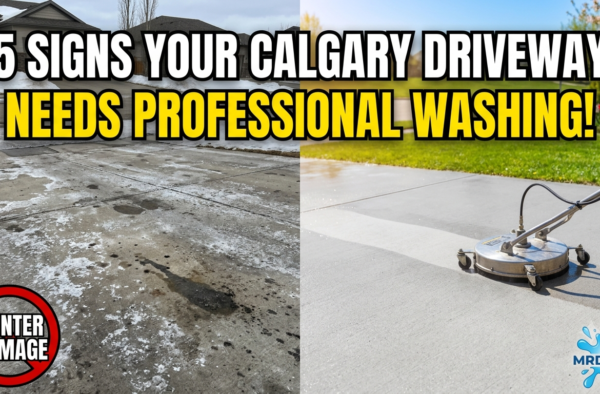
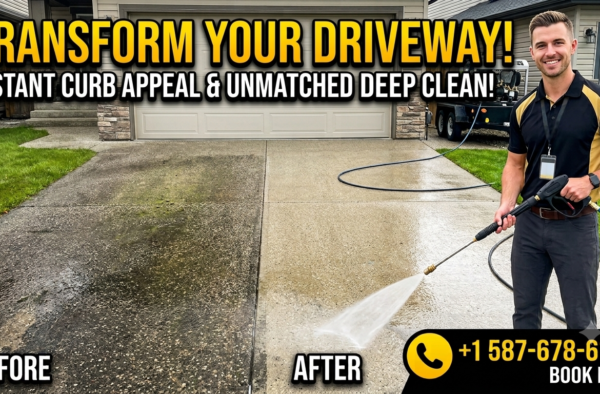
Regular Maintenance Wash: Schedule routine driveway washing once or twice a year to prevent dirt, grime, and minor oil drips from accumulating.
Final Thoughts
Removing tough grease and oil from concrete takes patience and the right strategy. Small, fresh leaks can be handled with simple household items like dish soap or baking soda. For deeper, stubborn stains, commercial degreasers, poultice treatments, or hot-water power washing will yield the best results.
By taking quick action, choosing the right cleaning method, and sealing your surface, you can keep your driveway clean, structurally sound, and looking great for years to come.